The mahogany bench in The Hague does not care about passports. It does not care about geopolitical alliances, or executive orders signed behind closed doors in Washington, or the quiet anxieties humming through the corridors of Tokyo’s foreign ministry. It cares only about the law. Or at least, it is supposed to.
Consider what happens when a judge sits down to read a file detailing mass atrocities. The paper rustles. The coffee grows cold. Across the world, victims wait.
Now, imagine that the country holding the world's most powerful financial levers decides that your signature is a crime.
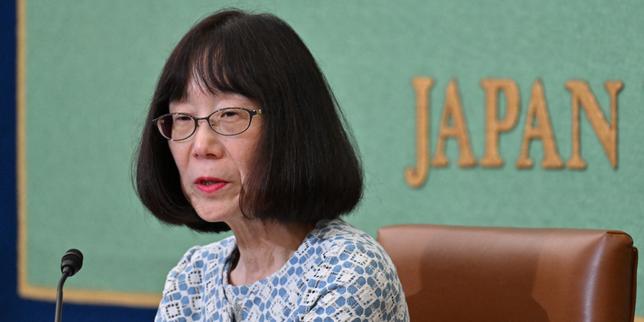
That is the reality Tomoko Akane woke up to. As a veteran Japanese prosecutor who climbed the judicial ladder to become the president of the International Criminal Court, Akane spent decades believing that institutional patience and meticulous adherence to procedure could bridge the gap between chaos and order. But procedure offers little armor against economic statecraft. Washington brought down the hammer, placing Akane—the first Japanese national to lead the tribunal—and senior trial lawyer Abdoulaye Seye of Senegal onto the Treasury Department’s sanctions list.
Assets frozen. Financial access severed. The message was explicit, raw, and entirely devoid of diplomatic varnish. Secretary of State Marco Rubio labeled the court a corrupt, politicized body that threatens American sovereignty.
The friction is not accidental. It is structural. The United States never signed the Rome Statute. It never subjected itself to the court's jurisdiction. When the tribunal trained its mandate toward actions involving close allies like Israel, or historical footprints in places like Afghanistan, the collision was inevitable. Washington chose dismantlement over dialogue.
The collateral damage is deeply personal. Imagine trying to book a flight, pay for groceries, or maintain a basic digital existence when your credit cards suddenly reject you because a foreign government has designated you a threat to its national security. Previous judges targeted by similar measures have described how everyday life fractures—how smart home devices stop responding, how banking systems lock shut. These are not abstract legal theories. They are administrative blockades designed to make international justice functionally impossible to execute.
And then there is Tokyo.
Japan occupies a strange, lonely position in this theater. As the ICC’s largest financial contributor and Washington's steadfast security partner, Tokyo found itself caught between obligations. Prime Minister Sanae Takaichi’s government did not shout. They did not threaten retaliation. Instead, through carefully measured diplomatic language, the foreign ministry called the measures very unfortunate.
Unfortunate. A polite word for a profound geopolitical earthquake. Japan has built its post-war identity on the promotion of the international rule of law. When the top jurist of that global system—a daughter of Japan—is financially blockaded by its primary military ally, Tokyo’s balancing act turns tightrope-thin. They promise to maintain communication, knowing full well that words rarely alter the trajectory of a superpower on the offensive.
The court itself pushed back, warning that threatening judicial actors puts the entire international legal order at risk. Human rights groups filed lawsuits in New York, arguing that shutting down judges effectively locks survivors of war crimes out of the courtroom entirely.
Yet the machinery rolls forward. Nine of the court's eighteen judges now live under U.S. sanctions. The institution persists, bruised and defiant, operating in a space where power routinely overrides precedent.
At the end of the day, a courtroom is just a room. Its power exists entirely because people choose to believe it does. When that belief is systematically starved of resources, restricted by borders, and targeted by sanctions, the room begins to empty out.
The gavel stays on the desk. But the silence that follows is deafening.