The narrative surrounding the shaky ceasefire negotiations between Washington and Tehran follows a predictable script. Mainstream consensus suggests that a fragile peace plan is hovering on the brink of collapse simply because an unpredictable American president is facing a fresh list of stubborn Iranian demands. This interpretation misses the structural mechanics of the crisis.
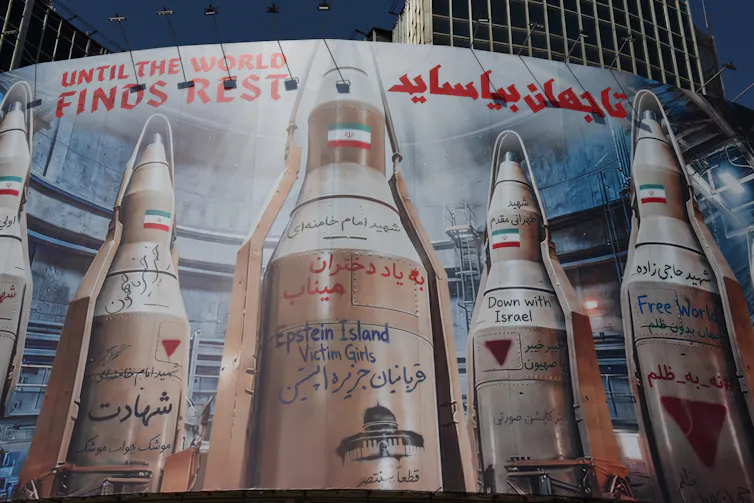
The real reason the United States and Iran are locked in a diplomatic stalemate is not a sudden burst of theatrical defiance from Tehran. It is a fundamental, irreconcilable clash over the sequencing of tangible assets versus verbal commitments. Donald Trump demands a "relief for performance" model, requiring Iran to surrender its highly enriched uranium before seeing a dime of sanctions relief. Tehran, scarred by the 2018 collapse of the previous nuclear accord and bruised by weeks of devastating military strikes, refuses to move without upfront cash. It is an architecture built on absolute mutual distrust, and the current friction points are the logical result of two desperate administrations trying to engineer a surrender from the other.
To understand the current deadlock, one must look past the aggressive rhetoric on Truth Social and examine the raw math of the proposed 60-day memorandum of understanding. Pakistani mediators, led by Field Marshal Asim Munir, have spent weeks flying between capitals to construct a temporary bridge. The basic framework appears straightforward. Iran agrees to reopen the strategic Strait of Hormuz, clear the naval mines it deployed during the recent winter escalation, and pause its highest-level nuclear enrichment. In return, the United States offers a temporary lifting of its naval blockade on Iranian ports and conditional sanctions waivers to allow restricted oil sales.
The friction is happening at the intersection of cash and nuclear material. Iran possesses an estimated 440 kilograms of uranium enriched to 60% purity. That is an undeniable technical reality verified by the International Atomic Energy Agency, and it sits just a short engineering step away from weapons-grade 90% threshold. The Trump administration has adopted a rigid position behind closed doors, summarized by officials as a strict requirement to empty Tehran's shelves of this material before any permanent economic relief becomes active. Washington wants the stockpile diluted or shipped out of the country, possibly to Russia, during the initial 60 days.
Tehran treats that stockpile as its only surviving geopolitical insurance policy. The newly consolidated Iranian leadership, operating under Supreme Leader Mojtaba Khamenei, recognizes that surrendering this leverage upfront leaves them entirely exposed if Washington decides to re-impose maximum pressure on day 61. Consequently, Iranian negotiators have introduced an unyielding precondition. They want immediate, functional access to a $12 billion tranche of frozen assets currently held in Qatari banking institutions before they sign the preliminary memorandum.
This is not a peripheral technicality. It is the core of the entire dispute. Tehran requires a tangible deposit to validate the political risk of the deal to its domestic hardliners, specifically the Islamic Revolutionary Guard Corps. The White House views this upfront demand as an attempt to extract a multi-billion-dollar signing bonus without offering verified nuclear concessions.
The regional geometry complicates the deal further. While American officials talk about a isolated bilateral agreement to restore global shipping security and clear the maritime bottleneck, Iran views the negotiations through a regional lens. Tehran insists that any lasting ceasefire must apply across all active fronts, explicitly demanding an end to Israeli military operations against Hezbollah in Lebanon.
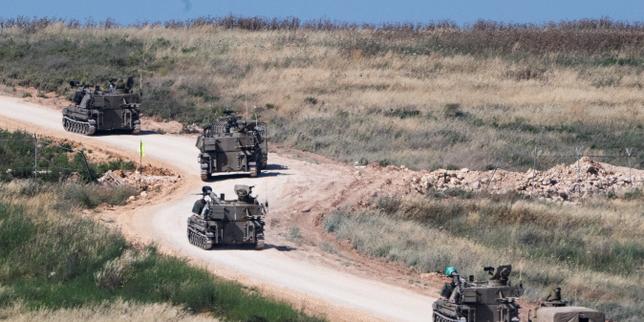
This demand directly collides with the domestic realities of America’s chief regional ally. Israeli Prime Minister Benjamin Netanyahu remains publicly committed to maintaining absolute operational freedom in Lebanon, regardless of whatever temporary arrangement Washington signs with Iran. The Israeli security establishment fears that a broad, loosely worded American deal will allow the remaining proxy network to reconstitute itself along Israel's northern border. This structural divergence leaves the Trump administration in a difficult position, attempting to negotiate a grand bargain while its closest ally reserves the right to upend the framework with a single airstrike.
Then there is the quiet, lucrative dispute over who controls the physical waters of the Strait of Hormuz once the mines are removed. For decades, Western maritime policy has relied on the legal standard of transit passage through international straits. However, internal communications from the semi-official Fars news agency reveal that the Iranian Revolutionary Guard Corps is pushing for a permanent rewrite of the maritime map. Tehran has proposed the creation of a "Persian Gulf Strait Authority" to manage commercial traffic, mandate specific transit routes through Iranian territorial waters, and collect commercial transit fees.
This financial ambition has triggered quiet panic among the neighboring Gulf states. A coalition including Saudi Arabia, the United Arab Emirates, Bahrain, Kuwait, and Qatar recently sent a joint memorandum to the International Maritime Organization warning that acknowledging any such authority would establish a disastrous precedent, effectively allowing Tehran to turn a global choke point into a sovereign toll booth. The United States has reinforced this view, with Secretary of State Marco Rubio stating plainly during diplomatic stops in India that a sovereign tolling system in an international waterway remains completely unacceptable to global commerce.
The domestic political landscape in Washington offers no easier path. The administration faces a widening fracture within its own partisan ranks. Traditional Republican foreign policy hawks, led by former officials like Mike Pompeo, have publicly slammed the emerging framework, comparing it to previous administration policies that allegedly funded the Iranian state in exchange for empty promises. These critics argue that the United States should skip the 60-day bridge entirely, maintain the naval blockade, and utilize overwhelming air power to dismantle Iran's remaining enrichment infrastructure.
Conversely, libertarian-leaning factions, supported by figures like Senator Rand Paul and Donald Trump Jr., are actively defending the negotiation window. They argue that a long-term ground war in the Middle East would drain American resources and run counter to an America First economic strategy. This domestic tension forces the White House to demand extreme, highly visible concessions from Tehran simply to protect its political flank at home.
The current 60-day memorandum of understanding is not a final peace treaty. It is a highly volatile experiment in crisis management. If the current round of talks fails, the alternative is not a return to a stable cold war, but an immediate escalation toward direct, large-scale conflict involving regional energy infrastructure. The negotiations are stuck because both sides understand the true stakes. Washington wants a verifiable surrender of Iran's nuclear ambitions without giving up its economic chokehold prematurely, while Tehran wants its economy restored before it dismantles the only weapons program keeping the American military at bay.