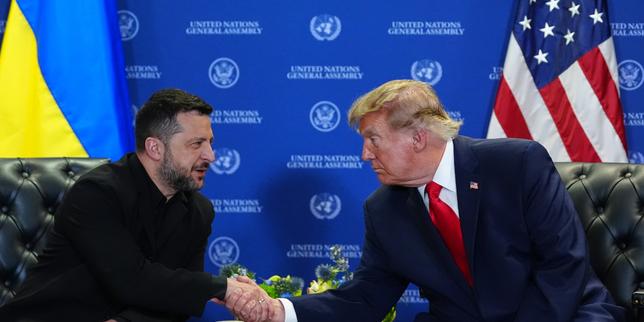
The diplomatic machinery between Washington and Kyiv is operating under a compressed timeline. Behind closed doors, Ukrainian leadership and United States officials are aligning around a stark political and military calendar. The objective is explicit: forcing an end trajectory for the war in Ukraine before winter alters the operational realities on the ground. When Volodymyr Zelensky met with Donald Trump, the core of the discussion was not merely continued military aid or long-range strike permissions. It was the hard reality of a shifting geopolitical clock.
Strategic calculations in both capitals are driven by the brutal calculus of attrition and upcoming electoral shifts in Western democracies. Mud, freezing temperatures, and exhausted logistics chains present an existential threat to sustained offensives. By signaling a push for a resolution ahead of the winter months, leadership in Kyiv and Washington is attempting to preempt the stagnation that historically favors occupying forces in protracted European land wars.
The Operational Pressure of Winter
Military planners understand that cold weather changes the geometry of combat. Frozen ground permits armored maneuvers, but prolonged sub-zero temperatures exact a devastating toll on unheated trenches, supply lines, and civilian infrastructure already battered by sustained missile campaigns. The energy grid remains a primary vulnerability. Every winter brings a renewed assault on power generation, transforming civilian survival into a strategic leverage point.
When Zelensky pressed for a timeline ending the active phase of hostilities before the frost sets in, he was responding to the compounding fatigue of an industrial war of attrition. Ammunition expenditure outpaces production capacities across NATO suppliers. The financial cost for international backers continues to climb against domestic political headwinds. The window for a decisive diplomatic or tactical pivot is narrowing.
Washington and Kyiv Alignment
The political dynamics in the United States add another layer of urgency. With domestic political debates increasingly fractured over foreign intervention budgets, American strategists face mounting pressure to demonstrate a clear path toward stabilization or resolution. For Kyiv, aligning with this American desire for a swift conclusion is a delicate diplomatic balancing act. Concessions on territory or security guarantees remain politically toxic within Ukraine, yet the alternative—an endless stalemate with diminishing returns—carries its own catastrophic risks.
The meeting between Zelensky and Trump highlighted the friction points between immediate strategic goals and long-term security architectures. While Washington evaluates the conflict through the lens of global resource allocation and strategic stability, Kyiv views every day of delay through the lens of civilian casualties and territorial integrity.
The Reality of Negotiated Settlements
Wars of this magnitude rarely end with unconditional surrenders when both sides retain the capacity to inflict pain. A negotiated framework requires painful compromises that neither population is currently prepared to accept. Yet, the push for a winter deadline forces the issue out of the realm of abstract political rhetoric and into concrete diplomatic positioning.
Sanctions enforcement, security guarantees modeled after Article 5 without formal NATO membership, and monitored demilitarized zones form the baseline of these urgent discussions. Without a concrete diplomatic off-ramp established before winter deepens, the conflict risks hardening into a permanent scar across the European continent, draining resources and ensuring generational instability.
The timeline is set not by diplomatic convenience, but by the relentless march of the seasonal calendar and the shifting political winds of Washington. The coming months will determine whether this push for an early resolution alters the trajectory of European security or simply delays the next phase of a generational conflict.