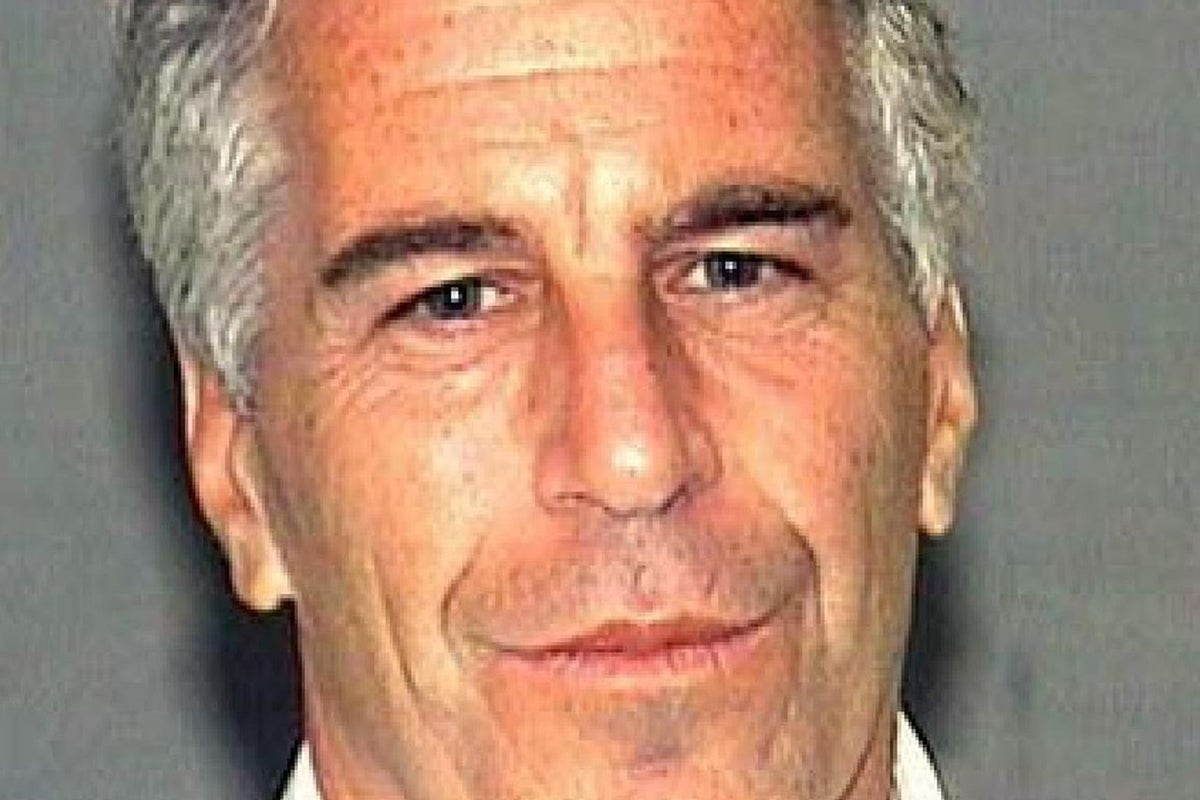
The Interlochen Center for the Arts in Michigan is demolishing the controversial lodge formerly named after convicted sex offender Jeffrey Epstein. For years, the physical structure stood as a quiet embarrassment on the otherwise pristine campus, a reminder of how easily wealthy predators can buy institutional immortality. While institutional PR teams prefer to frame such demolitions as routine campus renewals, the wrecking ball hitting this particular structure represents something far more complex. It is a calculated, aggressive move to erase a physical stain that no amount of renaming could fix.
Institutions nationwide are grappling with the toxic aftereffects of philanthropy tied to disgraced billionaires, discovering that stripping a name off a facade is rarely enough to scrub the history clean. Meanwhile, you can read related events here: The Brutal Truth Behind Traditional Horse Festivals and the Breakdown of Order.
The Cost of Toxic Philanthropy
Decades ago, elite institutions viewed major donors with uncritical reverence. Checks were cleared, names were carved into stone, and questions were rarely asked about the origins of the wealth. Interlochen accepted a $25,000 donation from Epstein in 1990, a sum that secured his name on a campus lodge designed to house visiting artists.
By the time the full scope of Epstein’s crimes came to light, the gift had transformed into a public relations nightmare. The arts academy quietly stripped his name from the building in 2002 following his initial legal troubles, but the building itself remained. To see the bigger picture, we recommend the recent analysis by The Washington Post.
Structures possess a stubborn permanence. Even without the brass lettering on the door, a building funded by a predator continues to exist as a monument to complicity. Students, faculty, and alumni knew exactly what that cabin represented. Every time a young artist walked past the lodge, the institution’s past judgment stood on display.
The decision to completely flatten the building, rather than repurpose or remodel it, reflects a growing realization in institutional management. Some assets are so thoroughly poisoned by association that total destruction is the only viable path forward.
Beyond the Renaming Strategy
For a long time, the standard corporate crisis management playbook for bad donors was simple. You remove the sign. You issue a terse press release reaffirming your commitment to organizational values. You move on. We saw this with the Sackler family across various global museums, and we saw it with various tech moguls.
But renaming is a superficial fix that assumes the public suffers from collective amnesia. It is a strategy designed by lawyers and public relations consultants to minimize immediate financial liability while preserving the physical infrastructure built with tainted money.
Institutional Purification Process:
[Tainted Donation Received] -> [Scandal Breaks] -> [Name Removed (Phase 1)] -> [Public Memory Persists] -> [Physical Demolition (Phase 2)]
Demolition represents an entirely different level of institutional reckoning. It is expensive, highly visible, and logistically disruptive. By choosing to tear down the lodge entirely, Interlochen is acknowledging that the physical space itself carried a psychological weight that affected the campus environment.
This sets a distinct precedent for how educational and cultural institutions must handle the physical remnants of disgraced benefactors. It shifts the standard from mere rebranding to complete erasure.
The Logistics of Institutional Erasure
Tearing down a building on an active, historic campus is not an administrative afterthought. It requires architectural reassessments, environmental impact reviews, and significant capital expenditure. The academy plans to replace the structure with a new, modern facility, effectively overwriting the physical footprint of the past gift.
The financial reality of this decision is stark. The institution must absorb the cost of demolition alongside the cost of new construction, all without the help of the original endowment that built the initial structure. It serves as a literal tax on past ethical oversights.
Boards of directors across the country are watching these developments with deep anxiety. They realize that the true cost of accepting a questionable donation may not come due for decades, and the ultimate price tag might include the destruction of their own campus infrastructure.
Accountability in the Modern Philanthropic Landscape
The era of blind acceptance in non-profit fundraising is dead. Background checks on major donors are now as rigorous as those conducted by corporate compliance officers during international mergers.
Fundraisers can no longer hide behind the defense that money is neutral and can be used for good regardless of its source. The source matters. The reputation of the donor is inextricably linked to the reputation of the recipient.
Donor Vetting Checklist (Modern Standard)
* Source of wealth verification
* Public relations liability assessment
* Clawback clauses in gift agreements
* Structural renaming provisions
* Morality clauses with immediate termination rights
This structural shift requires a complete overhaul of how gift agreements are drafted. Modern contracts frequently include strict morality clauses that allow institutions to instantly strip names and return or redirect funds if a donor’s conduct threatens the organization's mission.
Had these legal mechanisms existed in the late twentieth century, the protracted pain experienced by institutions caught in the Epstein web could have been mitigated much sooner.
The Myth of the Neutral Donation
There is a persistent, flawed argument in philanthropic circles that rejecting money because of the donor's character harms the innocent beneficiaries of the charity. Defenders of this view argue that an arts student benefits from a lodge regardless of who signed the check. This perspective is dangerously naive. It ignores how predators use philanthropy to buy social capital, silence criticism, and gain access to vulnerable populations.
Philanthropy was a core component of Epstein’s strategy to shield himself from scrutiny. By attaching his name to prestigious educational and scientific institutions, he manufactured a veneer of elite respectability that disarmed critics and facilitated his crimes.
When an institution accepts these funds, it becomes an active participant in that reputation-laundering scheme. The demolition of the Michigan lodge is a public confession that the original transaction was fundamentally flawed from the start.
The Long Road to Rebuilding Trust
Reclaiming an institution's moral authority requires more than a wrecking ball and a pile of debris. The physical removal of the lodge is a necessary step, but it remains a symbolic one if not accompanied by a deeper commitment to systemic safety and transparency.
Alumni and current students look for concrete changes in governance, student protection protocols, and ethical oversight to ensure that the mistakes of the past are never repeated.
The true test for Interlochen, and organizations like it, lies in how they handle the blank spaces left behind by these demolitions. The new structures built on these sites must be funded by clean, transparent means, serving as a functional rejection of the old model of survival at any cost.
Wrecking crews can clear away the timber and concrete in a matter of days, but rebuilding an unblemished institutional identity takes a generation of unyielding vigilance.