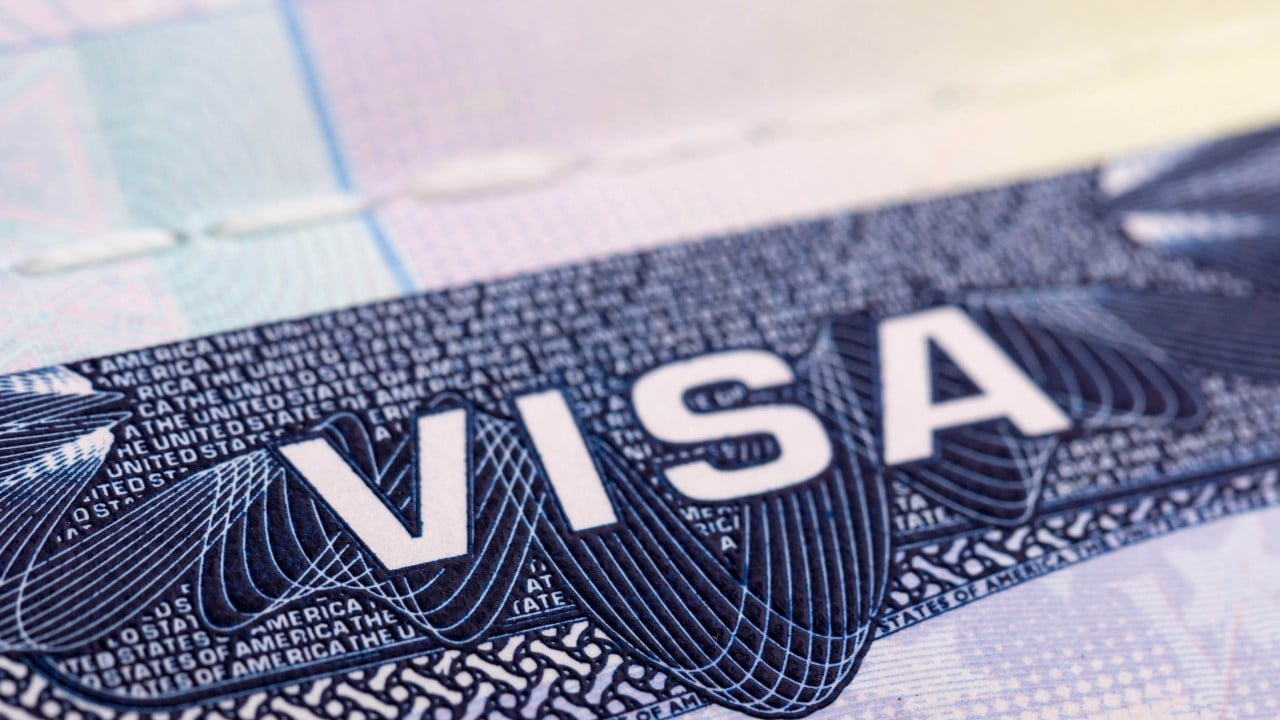
The United States State Department has implemented a sudden, indefinite worldwide freeze on all immigrant visa interview appointments, throwing consular processing into absolute chaos. Announced quietly via embassy notifications, the suspension affects foreign nationals seeking permanent residency, leaving applicants across global economic hubs stranded without a reopening timeline. Official statements attribute the abrupt halt to an extensive internal training initiative focused on rigorous public charge screenings, yet the operational fallout reveals an administration weaponizing bureaucratic friction to choke legal immigration channels.
For applicants waiting in major Asian migration corridors, the shutdown is nothing short of catastrophic. Families who spent years navigating the labyrinthine backlog of petition approvals now face canceled interviews moments before their scheduled dates. The human cost is measured in non-refundable flights, abandoned leases, and employers left hanging as critical hires are indefinitely locked abroad.
The Public Charge Pretext
Washington claims the administrative blackout is necessary to equip consular officers with uniform standards for evaluating whether an applicant might ever rely on public assistance. Under expanded regulatory interpretations, officers must scrutinize an individual's financial self-sufficiency with microscopic intensity. This includes weighing assets, credit histories, and future earning potentials against shifting government metrics.
Critics and seasoned immigration attorneys point out a glaring contradiction. The federal judiciary recently struck down a sweeping State Department policy that attempted to bar immigrant visa applicants from seventy-five specific countries. Legal experts argue that this sudden global training mandate serves as a convenient workaround. When a direct geographic ban gets dismantled in court, administrative inertia replaces it. Halting appointments under the guise of professional development achieves the exact same restrictive outcome without violating the immediate text of the judicial order.
Operational Breakdown in Overseas Posts
Consular sections in foreign diplomatic missions operate on razor-thin scheduling margins. Every appointment slot represents months of logistical planning by local staff and foreign nationals alike. Wiping out the schedule entirely creates a compounding backlog that will take years to clear, even after normal operations resume.
Consider a hypothetical case to understand the mechanics of this disruption. A family living abroad sells their home and resigns from their jobs to attend a mandatory consular interview, only to receive an automated cancellation email with no alternative date provided. They are trapped in limbo. Their prior documentation expires, medical exams must be retaken at additional personal expense, and their legal status in their current country becomes precarious.
Collateral Damage to Legal Pathways
This visa pause does not exist in a vacuum. It forms one piece of a broader, aggressive campaign to curtail foreign entry through administrative restructuring. Recent weeks have witnessed waves of visa revocations targeting individuals who overstayed tourist permissions or sought asylum. Proposed adjustments to employment-based preferences, such as exorbitant fees for specialized work petitions, signal an intentional effort to price out middle-class applicants.
The systemic message is unmistakable. Legal immigration is no longer treated as a functional component of the national economy, but as a privilege subject to indefinite administrative suspension. As embassies remain closed for routine processing, applicants continue to bear the financial and emotional toll of a system intentionally pushed to the brink of collapse.