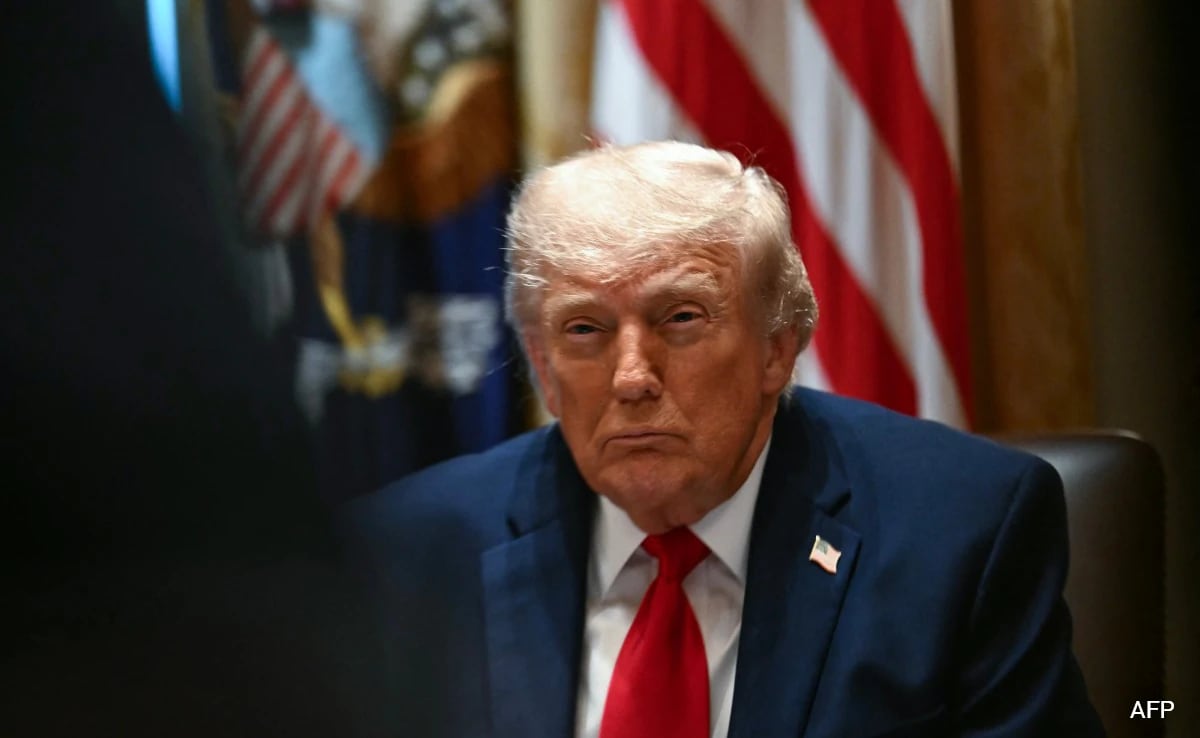
A casual threat dropped during a White House cabinet meeting has laid bare the extreme volatility of Washington's current back-channel diplomacy in the Persian Gulf. When asked whether he would accept a temporary agreement allowing Iran and Oman to jointly manage traffic through the blockaded Strait of Hormuz, President Donald Trump fired off a blunt warning to one of America’s oldest regional partners. He stated that the strategic waterway must remain open to everyone, adding that Oman must behave like everybody else or the United States would have to blow them up.
The comment sent immediate shockwaves through diplomatic channels, leaving foreign policy analysts scrambling to decipher whether the statement was a classic rhetorical gambit or a catastrophic misunderstanding of Gulf geography.
While the State Department later circulated the official transcript without correction, confirming the president explicitly named Oman rather than Iran, the underlying crisis is far more complex than an off-the-cuff remark. It underscores a desperate, high-stakes American effort to break a three-month naval impasse that has choked off twenty percent of global oil traffic.
The Tollbooth on the Waterway
The friction point stems from a highly sensitive, unconfirmed memorandum of understanding reported by Iranian state media. According to those regional briefs, Tehran has been aggressively lobbying Muscat to establish a joint transit framework. The proposed mechanism would essentially turn the Strait of Hormuz into a bilateral toll booth, charging commercial vessels for passage in exchange for restoring shipping volumes to pre-war levels.
For Iran, the strategy is a calculated move to salvage its battered economy. Following the joint US-Israeli strikes in late February and the subsequent American naval blockade of Iranian ports, Tehran used its geographic proximity to shut down foreign shipping through the strait. By dangling a lucrative toll-sharing agreement in front of Oman, Iran hopes to legitimize its claim of sovereignty over international shipping lanes while driving a wedge between Washington and its regional partners.
Oman find itself trapped in the middle of this geographic vice. The unique shape of the Musandam Peninsula means that the deeply channeled, safe shipping lanes required by massive supertankers sit squarely within Omani territorial waters.
Strait of Hormuz Shipping Lanes:
[ Iran Coastline ]
---------------------------------- Northern Inbound Lane (Iranian Waters)
---------------------------------- Southern Outbound Lane (Omani Waters)
[ Musandam Peninsula (Oman) ]
For more than two centuries, Muscat has maintained strict neutrality, acting as the primary diplomatic bridge between Western powers and Tehran. They have not publicly endorsed the Iranian toll proposal. However, the mere rumor of a bilateral deal that bypasses Washington was enough to trigger the administration's aggressive public warning.
Operation Epic Fury and the Cost of Deadlock
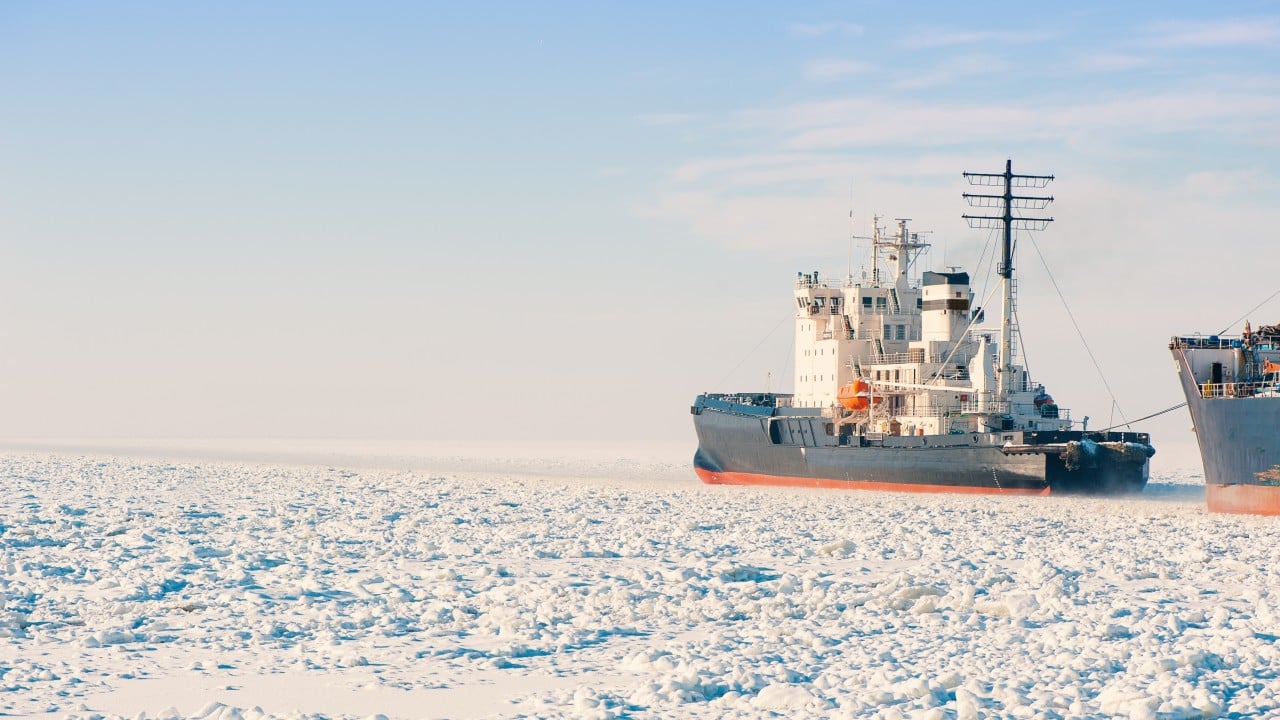
The current standoff is the direct fallout of a broader conflict that erupted earlier this year. Following the initiation of hostilities on February 28, the global energy market plunged into chaos. Over 850 commercial ships, including oil tankers, bulk carriers, and container vessels, became marooned within the Persian Gulf, unable to risk the passage through a heavily mined and contested strait.
In response, the White House initiated a counter-blockade and launched Project Freedom, an ambitious naval operation designed to guide trapped commercial vessels along a southern transit route running primarily through Omani waters. Despite the deployment of significant American naval assets, the commercial shipping industry remains deeply hesitant.
The United States Office of Foreign Assets Control issued strict warnings to international shipping firms, stating that any company paying transit fees or tolls to Iran to secure safe passage would face immediate, crippling sanctions.
This economic warfare has turned the region into a diplomatic chessboard where nobody wants to blink first. Trump noted during the same cabinet session that Iran is eager to finalize a peace deal but accused the regime of trying to delay negotiations until after November's US midterm elections.
The Fracture Lines in Washington and the Gulf
The administration's hardline approach has revealed deep divisions both domestically and abroad. Inside Washington, any hint of a compromise with Tehran faces fierce resistance from congressional defense hawks.
Following reports of a potential 60-day ceasefire, Senator Roger Wicker, chairman of the Senate Armed Services Committee, publicly condemned the negotiations, warning that a short-term truce would render the achievements of recent military campaigns entirely useless.
The administration has responded to this pressure by shifting the goalposts for a final settlement. Beyond the immediate reopening of the Strait of Hormuz and the verifiable dismantling of Iran's nuclear enrichment capabilities, the White House is now demanding that regional Arab states, specifically Saudi Arabia and Qatar, formalize diplomatic relations with Israel as a prerequisite for lifting the American naval blockade.
This broadening of terms has alienated core allies who view the integration of regional peace deals with the immediate freedom of international navigation as a dangerous complication. By publicly threatening Oman, an ally whose diplomatic discretion has historically resolved American hostage crises and facilitated secret peace talks, the administration risks dismantling the very mediation infrastructure needed to conclude the war.
The core reality of the Hormuz crisis is that geography cannot be altered by executive decree. Whether Muscat behaves according to Washington's dictates or continues its quiet diplomacy with Tehran, the global economy remains tethered to a narrow strip of water where a single miscalculation can trigger a wider conflagration. Gunboat diplomacy may force short-term compliance, but it cannot guarantee the long-term stability of a global energy artery.