Donald Trump just put one of America’s oldest and most stable allies in the crosshairs. During a cabinet meeting on May 27, 2026, the President didn't hold back. When asked about a rumored deal involving the Strait of Hormuz, he dropped a line that sent shockwaves from Muscat to Washington.
"Oman will behave just like everybody else, or we'll have to blow them up," Trump said. He wasn't whispering. He was being as direct as possible. "They understand that, and they'll be fine."
If you're wondering why this matters, look at a map. Oman is the "Switzerland of the Middle East." They've spent decades playing the middle man between the U.S. and Iran. To hear the American President threaten to "blow them up" isn't just typical Trump rhetoric—it’s a massive shift in how the U.S. treats its partners in a region already on the brink.
The Battle for the Strait of Hormuz
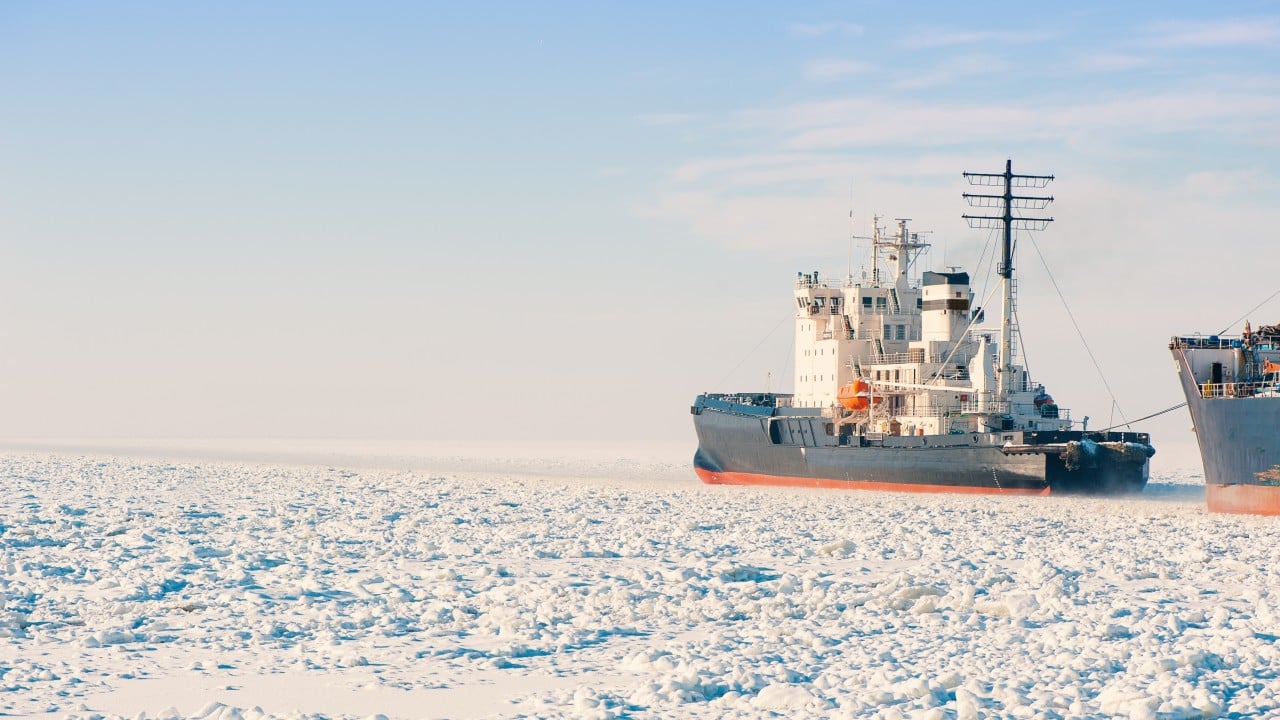
The real issue here isn't just a stray comment. It's about who controls the world’s most important oil artery. Right now, more than 20% of the world’s oil flows through the Strait of Hormuz. Since the U.S.-Israel war on Iran kicked off in February 2024, the strait has been a mess.
Iranian state media recently leaked a "draft proposal." They claimed the U.S. was ready to lift its naval blockade and pull troops out of the region. In exchange, Iran and Oman would jointly manage the strait and, get this, charge a "service fee" or toll for every ship passing through.
Trump called that report a "complete fabrication." He's made it clear that the U.S. won't accept any deal where a single country—or even a pair of them—controls international waters.
"Nobody's going to control it," Trump insisted. "We're going to watch over it."
Why Oman is Stuck in the Middle
Oman is in a tough spot because of simple geography. The Strait of Hormuz is only 21 nautical miles wide at its narrowest point. Under international law, countries can claim up to 12 nautical miles as territorial waters. Do the math. There’s no way to get through the strait without passing through either Iranian or Omani waters.
For decades, Oman has allowed free passage. They’ve been the quiet diplomat. They helped broker the original Iran nuclear deal. They’ve hosted secret talks for years. But now, the Trump administration seems to think Oman is getting too cozy with Tehran’s plan to monetize the waterway.
Gunboat Diplomacy in 2026
We’re seeing a return to what experts call "gunboat diplomacy." Trump is using the threat of total military destruction to force diplomatic outcomes. It’s a high-stakes gamble. Critics, like Raed Jarrar from DAWN, are comparing the President's language to that of a "mafia boss."
But from Trump’s perspective, it’s about leverage. He’s frustrated that the Pakistan-brokered ceasefire from April hasn't led to a permanent fix. He’s also pressuring Arab nations like Saudi Arabia and Qatar to join the Abraham Accords and normalize ties with Israel as part of any final Iran deal.
He basically told the room that if these countries don't step up, he might just "finish the job" with Iran. Oman just happened to get caught in that particular line of fire this time.
What This Means for You
If you're watching the price at the pump, this is why it’s jumping. Every time a threat like this hits the news cycle, shipping insurance spikes. Oil traders get nervous. Even if Trump is just "talking tough," the markets treat it as a potential supply disruption.
The U.S. State Department even posted the transcript of the "blow them up" comment without any correction. That tells you it wasn't a slip of the tongue. It’s the official policy now: comply or face the consequences.
If you want to stay ahead of how this affects the global economy, keep an eye on the following:
- The June 1st Shipping Deadlines: Watch if insurance companies begin blacklisting vessels that haven't secured U.S. "guidance" through the strait.
- Muscat’s Response: Oman hasn't officially retaliated yet. If they move their diplomatic missions or reduce security cooperation, the U.S. loses its best ear in the region.
- The Toll Dispute: If Iran starts actually collecting fees with Omani backing, expect the U.S. Navy to intervene physically.
Don't wait for the mainstream news to catch up when the next escalation happens. The rhetoric is already at a boiling point. You should be looking at diversifying any energy-heavy investments now, because "behave or we blow you up" isn't a strategy that leads to long-term market stability.